Science & Technology International Foundation Year in Italy
Develop the scientific and analytical foundations behind modern technology. In Milan, mathematics, physics, chemistry, statistics and computational thinking come together to prepare you for undergraduate study in science, computing and technological innovation.
Program
information
The Science & Technology Foundation Year in Milan is designed for international students preparing for undergraduate degrees in science, computing, mathematics and technology.
The program strengthens foundations in mathematics, physics, chemistry, statistics and computational thinking, with an emphasis on analytical reasoning and systematic problem-solving.
Read More
Students learn to work with data, recognise patterns and develop structured approaches to complex problems. These abilities provide a starting point for understanding fields such as artificial intelligence, advanced materials and energy technologies.
The Foundation Year offers broad scientific preparation before specialisation, helping students build the intellectual tools needed to keep learning as technologies evolve. Academic and Italian language preparation support their transition to university study in Italy.
Admission requirements
Required profile and documents
- Valid passport
- Final high-school diploma or certificate of current enrolment
- Qualification obtained after at least 11 years of schooling
- Official transcript of records
- English proficiency at B2 level
- At least 17 and no more than 29 years old at application
Academics
The Science & Technology curriculum develops scientific knowledge, quantitative reasoning and computational thinking, providing foundations for further study across STEM subjects.
Mathematics: Calculus & Algebra
Strengthen the mathematical language used across science, computing and technology. Develop confidence with equations, functions, quantitative models and abstract relationships.
Physics
Explore the principles used to describe physical phenomena and develop analytical approaches to scientific questions, preparing for later study in science and technology.
Chemistry
Examine the fundamental concepts behind matter, reactions and materials. Build a scientific foundation relevant to a wide range of technological disciplines.
Statistics
Learn to interpret data, identify patterns and evaluate quantitative evidence. Develop a foundation for data-informed reasoning in scientific and technological study.
Computational Thinking
Practise breaking complex questions into manageable parts, recognising structure and designing logical processes. Learn to define a problem clearly before attempting a solution.
Analytical Reasoning & Scientific Judgement
Develop the ability to assess assumptions, check results and evaluate possible solutions. These skills support thoughtful use of emerging technologies, including artificial intelligence.
Italian Language & Culture
Develop practical Italian for everyday life and academic participation, while exploring the cultural context of studying in Italy. Language preparation supports the transition to Italian-taught or international undergraduate pathways.
Program Structure
The program is designed as a coherent transition to higher education rather than a collection of separate courses. Every student combines a common Italian language component with one specialised academic track and ongoing admission support.
600
Italian Language
& Culture
- Beginner to intermediate Italian, with B2 as the target level
- CILS or PLIDA Italian examination preparation
- Academic language development
- Italian culture and practical communication for life in Italy
300
Academic Courses in English
- Subjects selected according to the chosen academic track
- Logical reasoning, critical thinking and academic writing
- Preparation for relevant national or university admission tests
- Practical workshops and portfolio development for creative pathways
Additional services
Program location
Study in Milan
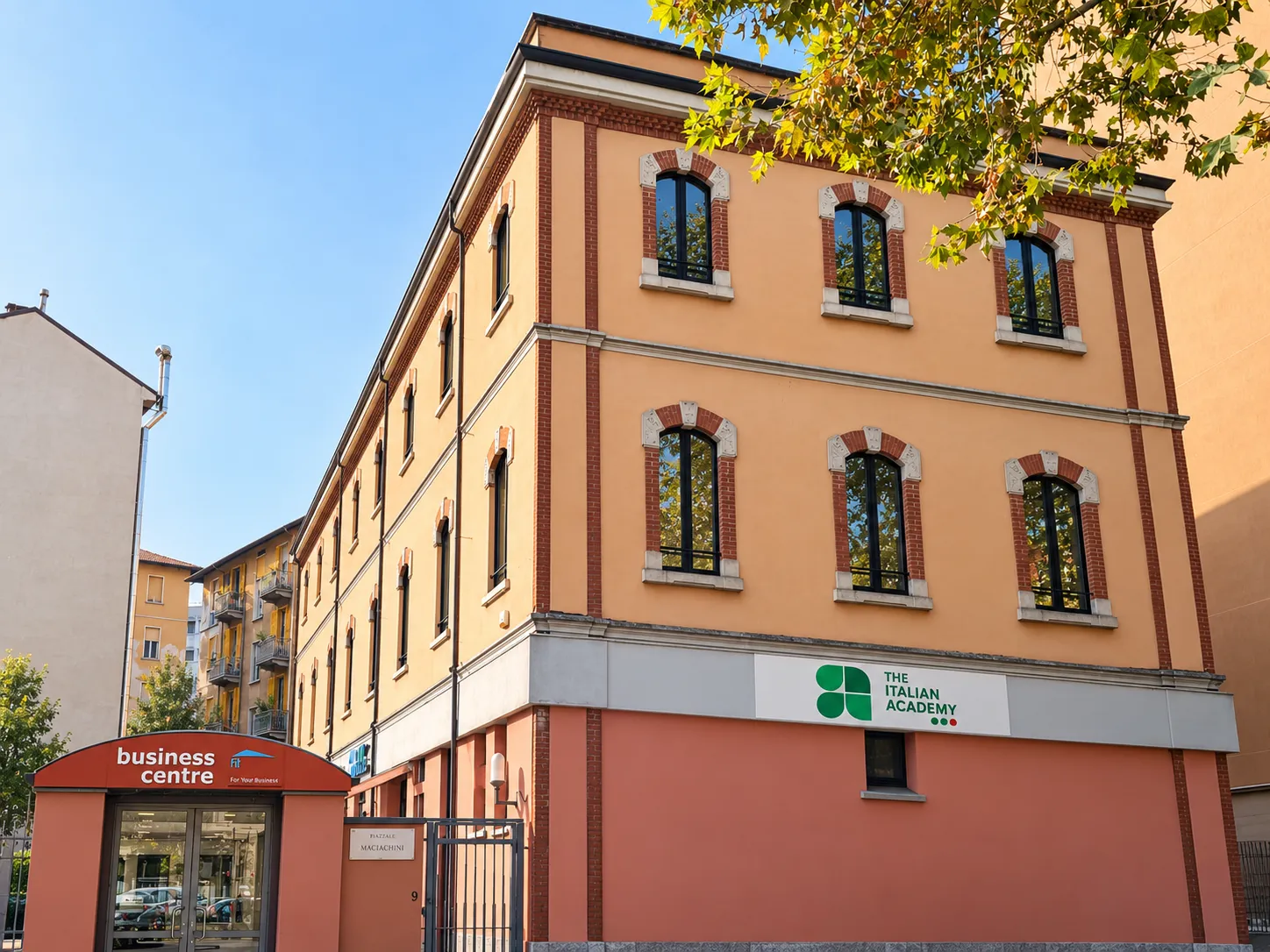
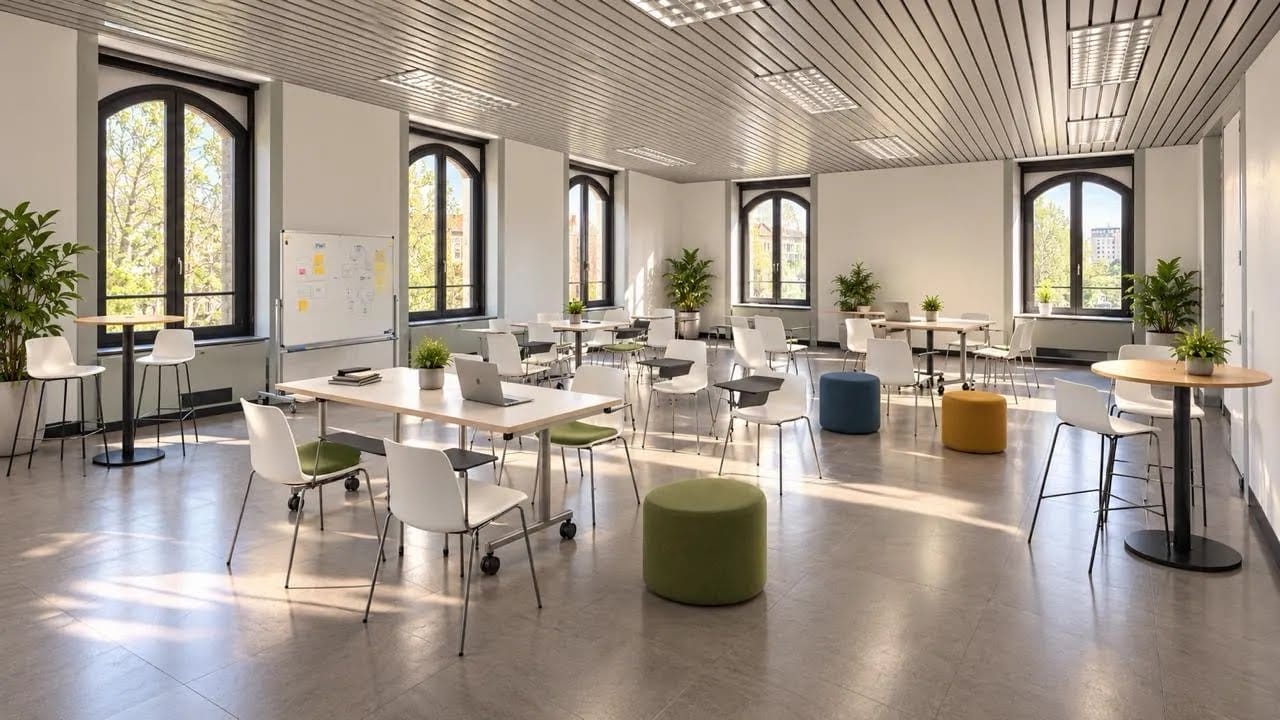
Located in Milan’s vibrant Isola district, next to the Piazzale Maciachini underground stop, The Italian Academy offers a modern, internationally oriented learning environment with excellent connections to the city’s leading universities, cultural landmarks and business community, opening doors to academic and professional opportunities across Italy.
Distance by public transport (minutes):
- Central Station
- 6 min
- Piazza Duomo / Garibaldi / Fashion district
- 10–12 min
- Milan Linate Airport
- 35 min
Living and studying in Milan
An international student city
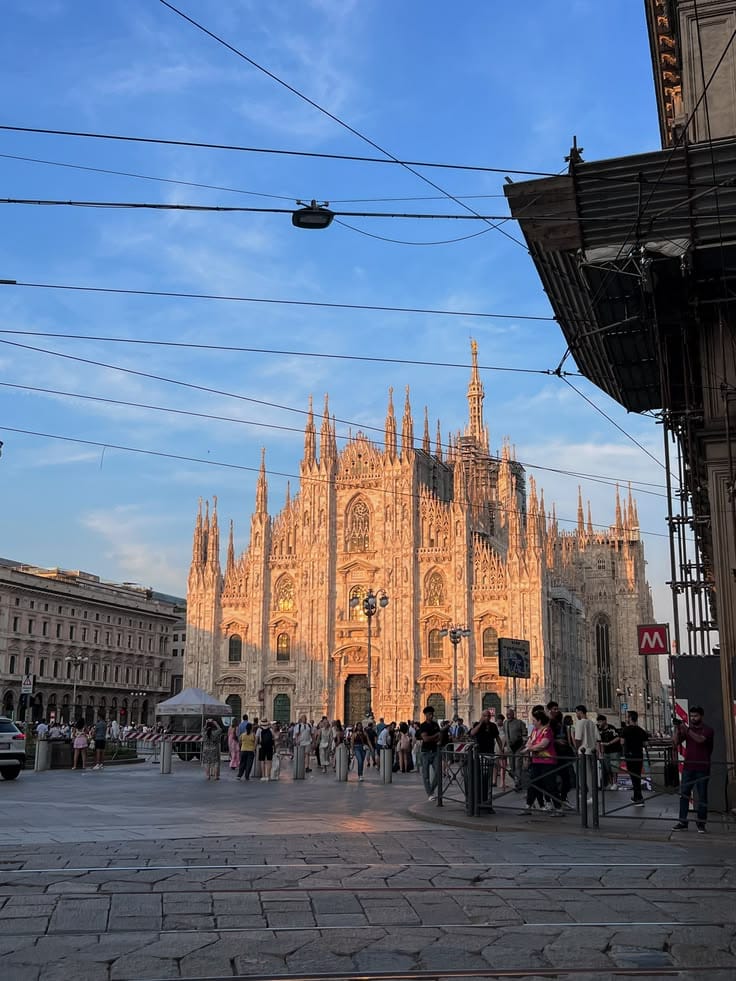
Milan offers international students the experience of living in a large, diverse university city, with different neighbourhoods and a wide range of cultural settings.
Developing familiar routines around study, local services and everyday journeys helps students gradually find their place in a new environment.
The Foundation Year provides time to build independence and become accustomed to life in Italy before taking the next step into undergraduate study.
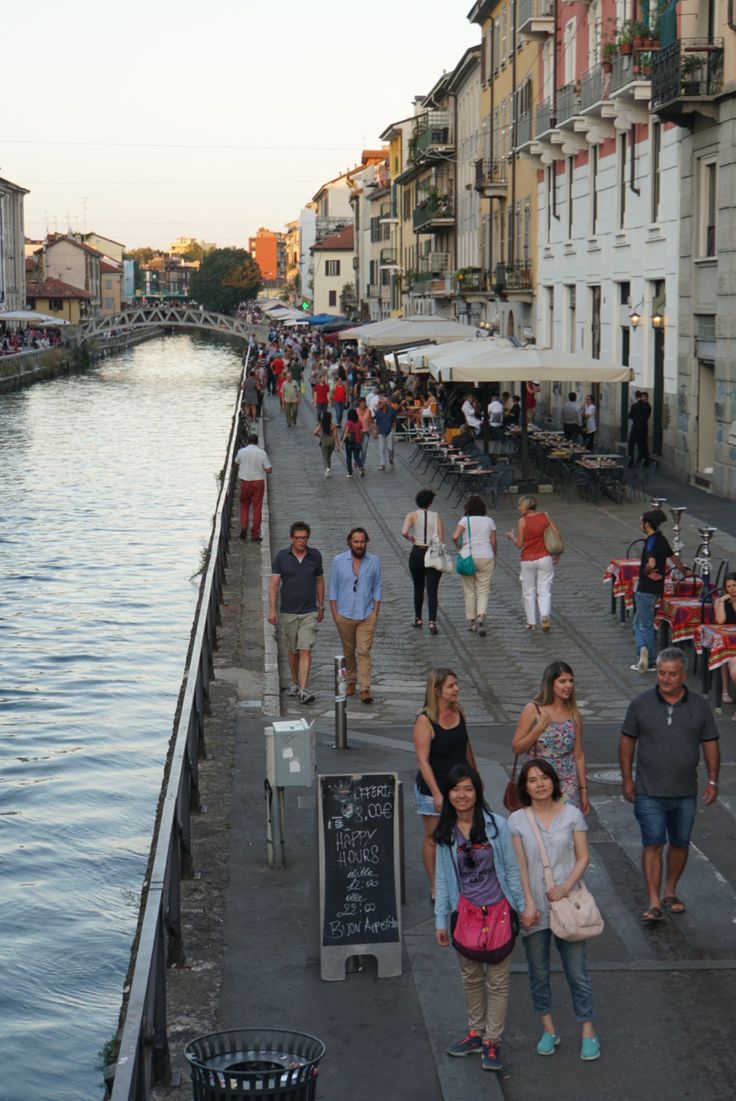
Living is part of the Foundation Year
Living in Milan is part of the preparation for university. Students begin learning how to communicate, organise their time and manage everyday responsibilities in a new country.
Balancing study with life in an international city helps develop confidence, adaptability and a greater awareness of different cultural perspectives.
Why study science and technology in Milan
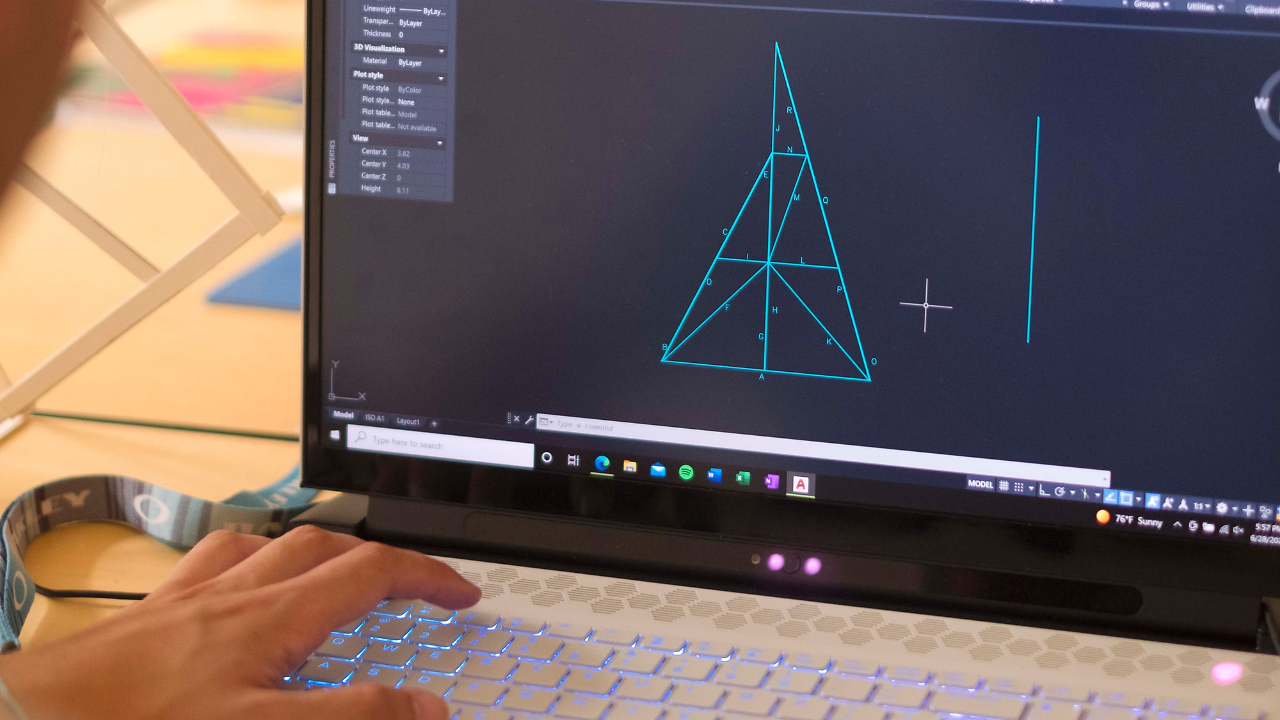
Milan brings together universities, research activity and technology-oriented industries. For STEM students, this provides a context for considering how mathematics, computing and scientific knowledge are used beyond the classroom.
The city offers a setting in which to think about digital systems, innovation and the relationship between scientific ideas and practical applications while preparing for further study.

Italian in everyday life
Learning Italian extends beyond the classroom into daily interactions, local services and the routines of city life. Students can gradually put their language skills into practice in meaningful situations.
These experiences support confidence in communication and familiarity with Italian life, helping students prepare for the independence expected at university.
Student life in Italy
Student
housing
Comfort
Embrace vibrant university life and make new friends from around the world! With single and twin rooms for privacy and spacious common areas designed for interaction, our self-catering apartments are perfect for socializing. Connect, collaborate, create lasting memories and a close network of peers in Italy.
Close to where you need to be
Prime & Safe locations. Positioned minutes away on foot or by public transport from the study centers, our student housing offers both convenience and a vibrant community ambiance, right at the heart of the safe and lively city center and a short distance from all the attractions.
Ask about housingWhat to Expect
Italian Language & Cultural Integration
Intensive Italian language and culture study supports students as they prepare for university and everyday life in Italy.
Academic Skills Development
Dedicated preparation in academic writing, critical thinking and university study methods helps students make the transition from high school to higher education.
University & Admission Support
Students receive guidance throughout their Foundation Year as they prepare for their next academic step.
Student Support
International students receive assistance with the practical and administrative aspects of studying and living in Italy, alongside ongoing academic support.
Housing Services
Furnished shared accommodation, housing orientation and ongoing support help students settle into life in Italy.
Field Trips and Activities
Organised visits and activities introduce students to Sicily’s history, culture and everyday life beyond the classroom.
24/7 Emergency Service
Students can contact the team for urgent assistance at any time during their stay in Milan.
Information for parents
Explore our dedicated page for parents.
Top reasons to join
Build the Foundations behind Modern Technology
Study the mathematics, physics, chemistry and statistics that support fields such as computing, advanced materials, energy technologies and artificial intelligence.
Learn to Think Computationally
Develop ways to analyse complex problems, identify patterns, structure logical processes and evaluate solutions across scientific disciplines.
Prepare to Evaluate Emerging Technologies
Strengthen the human judgement needed to define objectives, understand data and assess outputs when using technologies such as artificial intelligence.
Develop Analytical Confidence
Practise quantitative reasoning and evidence-based analysis, building skills that support scientific study and help you approach unfamiliar questions.
Explore Different Scientific Directions
Build a broad base across mathematical, physical, chemical and computational subjects before progressing towards a more specialised undergraduate degree.
Begin Your STEM Journey in Milan
Study in a city where universities, research and technology-oriented industries provide a context for connecting scientific knowledge with technological change.
Our academic partners · Milan
University of
Milano-Bicocca
The University of Milano-Bicocca is a public university in Milan with a broad range of teaching and research across scientific, economic, social and health-related disciplines.
Its campus connects academic learning, research and student life. This multidisciplinary environment offers a context for students considering different undergraduate directions and their place within a wider university community.
Discover Milano-BicoccaFuture prospects
The Science & Technology Foundation Year prepares students to explore computing, artificial intelligence, physical sciences and technological innovation through further university study.
Its combination of scientific subjects and computational thinking supports fields that increasingly overlap. Students develop ways to understand data, model problems and assess evidence while preparing to choose a more specialised academic direction.
Academic Progression
The track supports preparation for undergraduate pathways across scientific, mathematical and technological fields.
The progression areas identified with Università degli Studi di Milano-Bicocca include:
- English-taught Artificial Intelligence and Physical Sciences for Innovative Technologies.
- Italian-taught Computer Science, Physics, Mathematics, Chemistry, Geology, Environmental Science, Optics and Optometry, and Materials Science.
Admission remains subject to the entry requirements and procedures of the chosen university and course.
Career Pathways
Following the appropriate undergraduate degree and further specialisation, possible directions include:
- Artificial intelligence, software and computing.
- Data analysis and quantitative problem-solving.
- Physics, advanced technologies and materials science.
- Environmental science, chemistry and scientific research.
The Foundation Year is the starting point of an academic pathway, rather than professional training for a particular occupation.
Transferable Skills
Students develop abilities that remain useful across different academic directions:
- Structuring complex problems and identifying patterns.
- Using mathematical models and interpreting scientific data.
- Testing assumptions and critically evaluating technological outputs.
- Connecting knowledge across disciplines and adapting to new tools.
International Foundation Year
Discover our other
Foundation Year tracks
Explore our other academic pathways in Sicily and Milan and find the direction that best matches your university plans.
 Business,
 Engineering,
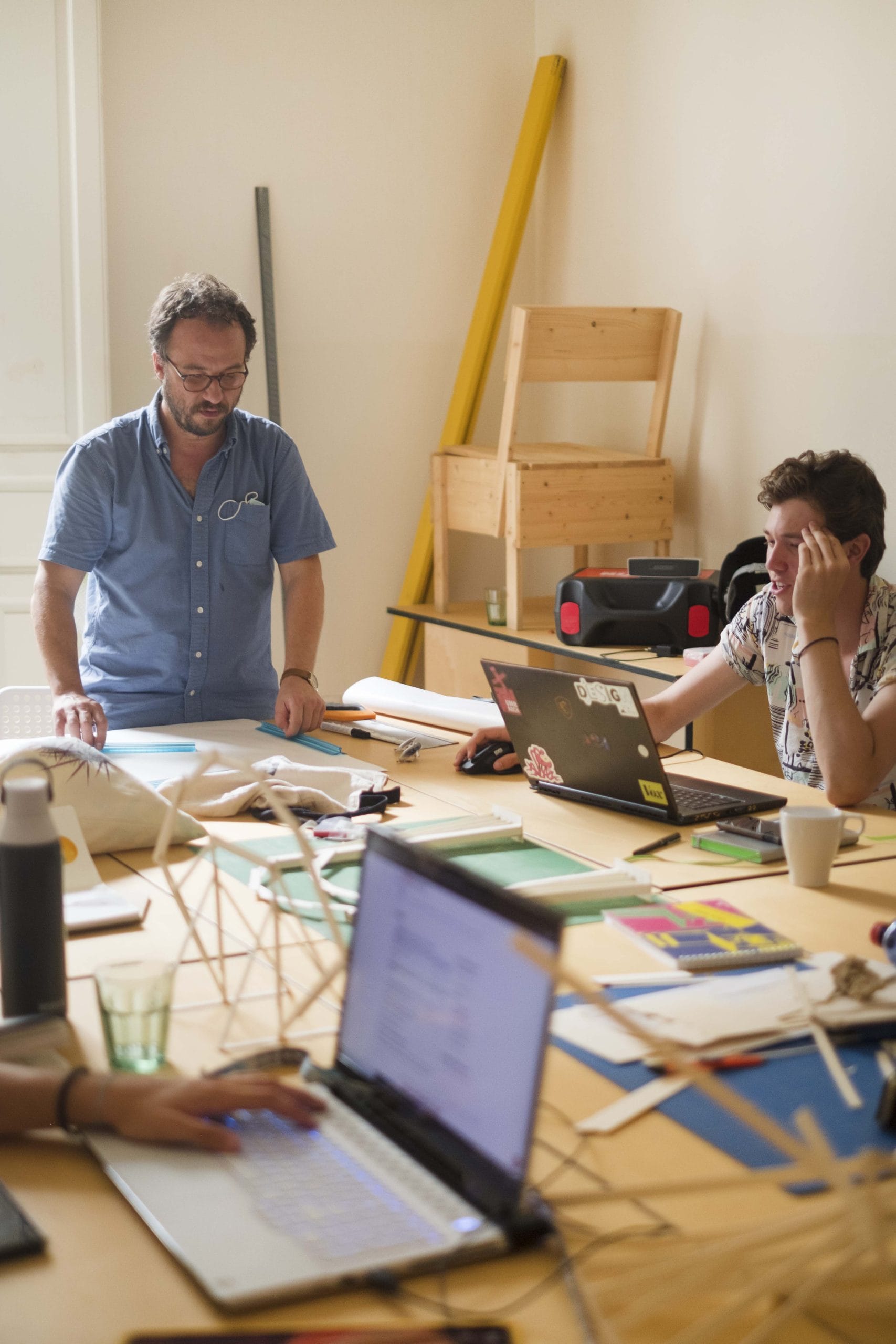 Architecture
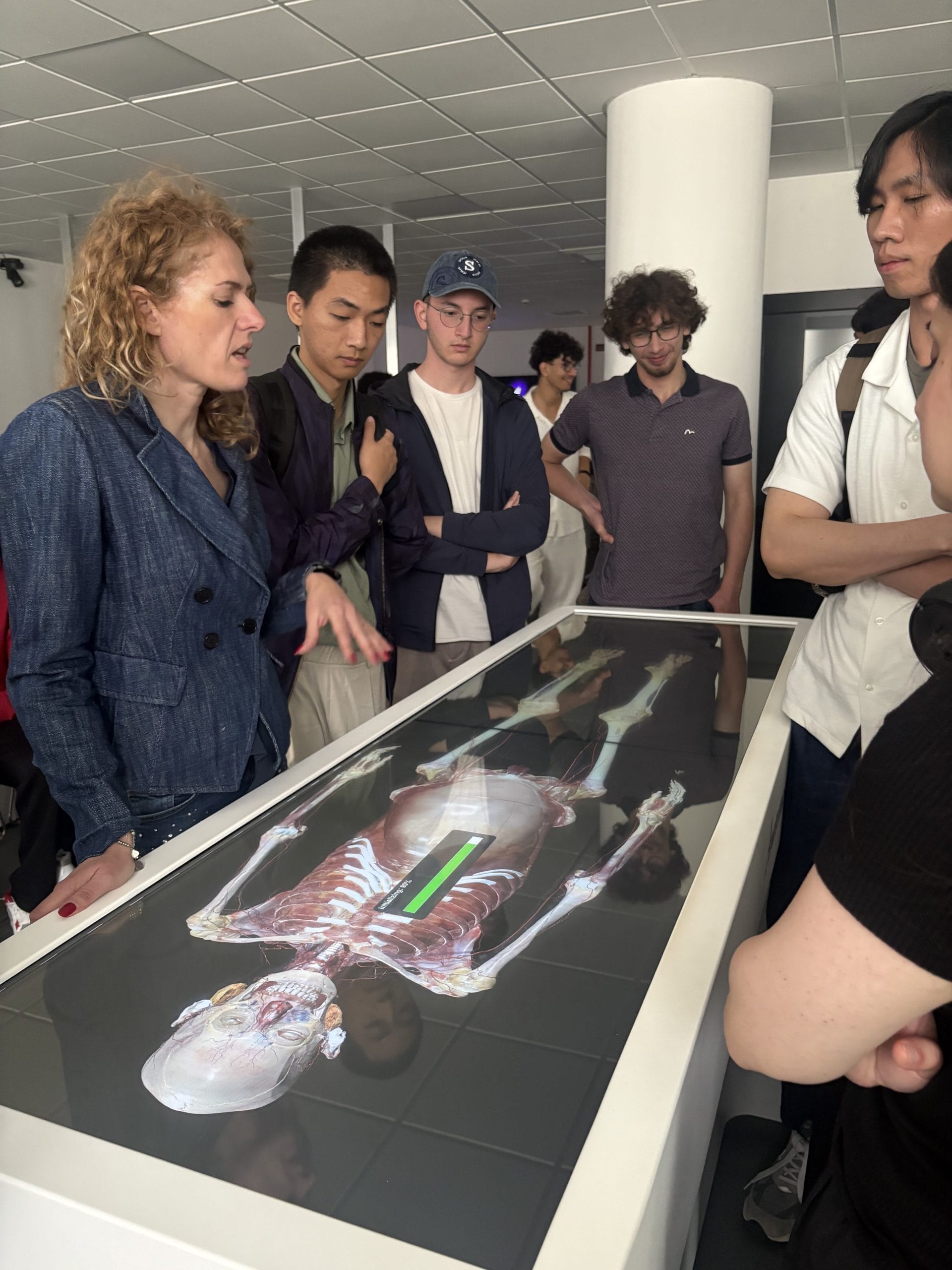 Medicine
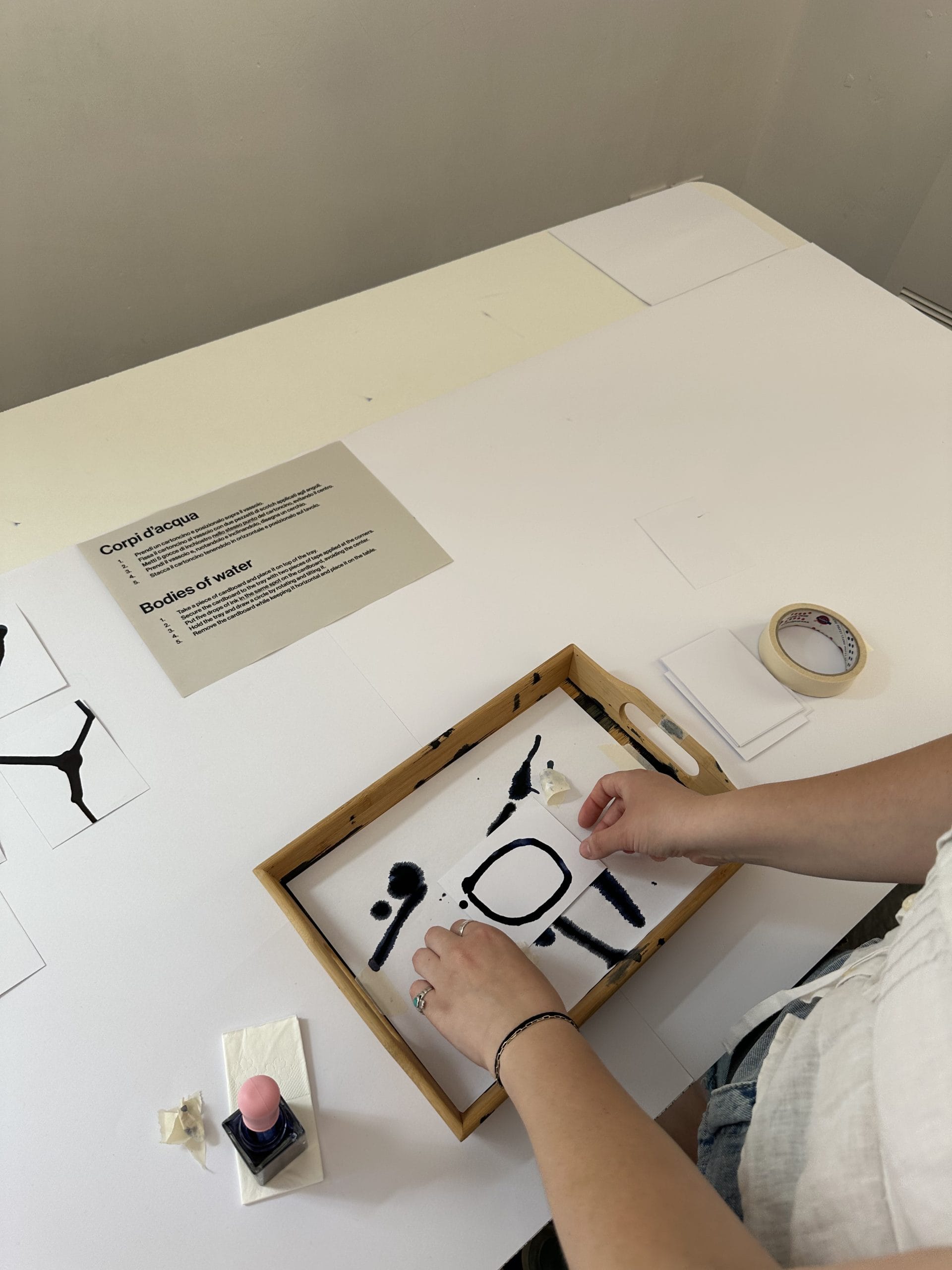 Interior, Product
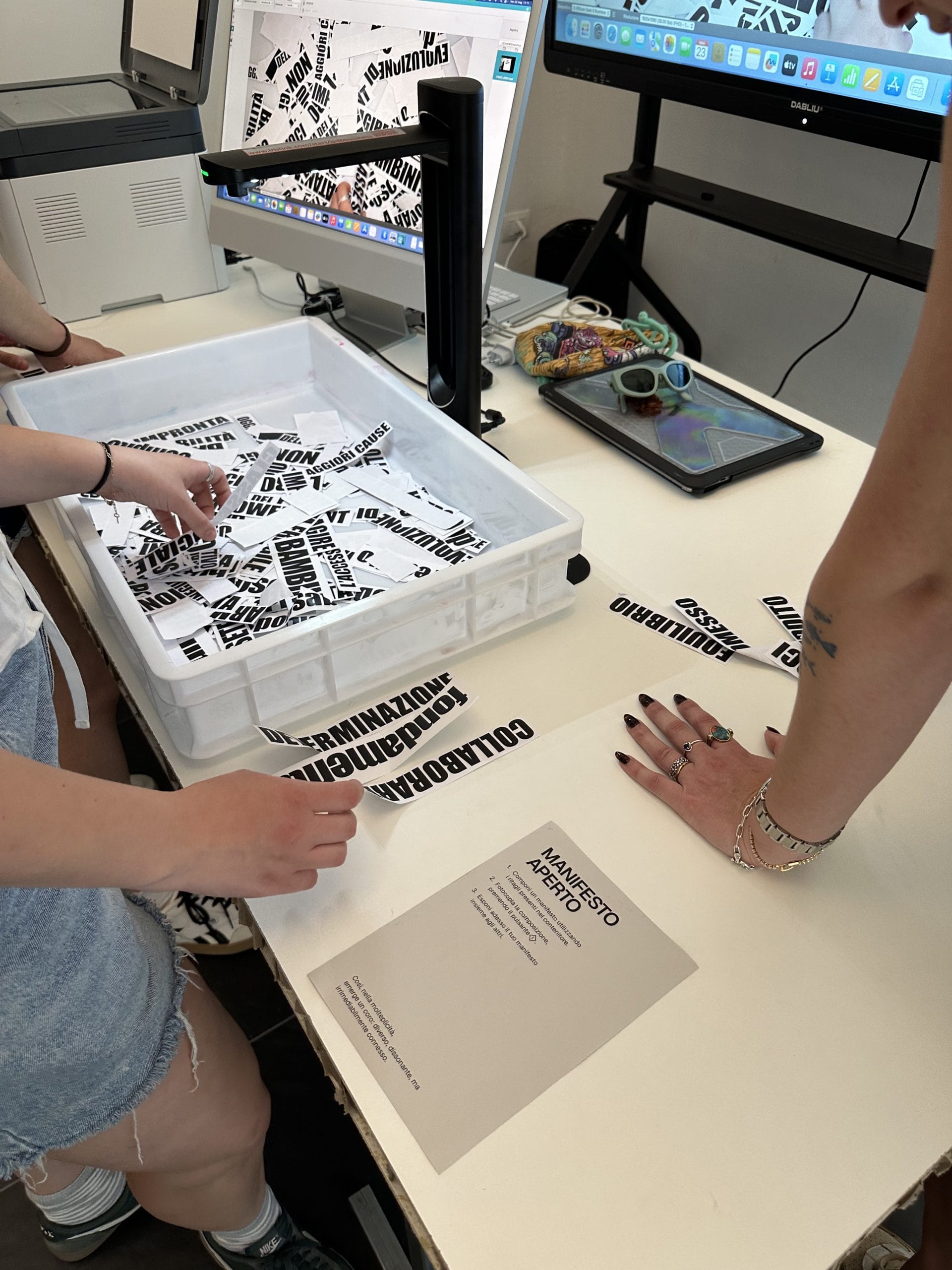 Communication, Media & AI
 Fashion, Arts & Tourism Management
 Business,
 Life